How to Qualify for a Full UK State Pension: National Insurance Explained
Planning for retirement isn’t just about saving money—it’s also about making sure you qualify for the full State Pension. One…
Understand National Insurance contributions, thresholds, employment status and how changes affect individuals and employers.
Planning for retirement isn’t just about saving money—it’s also about making sure you qualify for the full State Pension. One…

What Changed from April 2024? From 6 April 2024, self-employed individuals are no longer required to pay Class 2 National…
Understanding the Basics for the Self-Employed If you're self-employed and your profits exceed the lower profits limit, currently set at…
How Director NICs Differ from Regular Employees Unlike most employees who have their National Insurance contributions (NICs) calculated on a…
A New Era for Employers Starting 6 April 2025, significant changes to National Insurance contributions (NICs) will take effect, impacting…
What is Class 1 National Insurance Deferment? If you have more than one job, you may be able to defer…
National Insurance contributions (NICs) are not just a tax but a gateway to state benefits, especially the state pension. With…
One of the key announcements in the Autumn 2024 Budget was the rise in employer’s National Insurance contributions from 6…
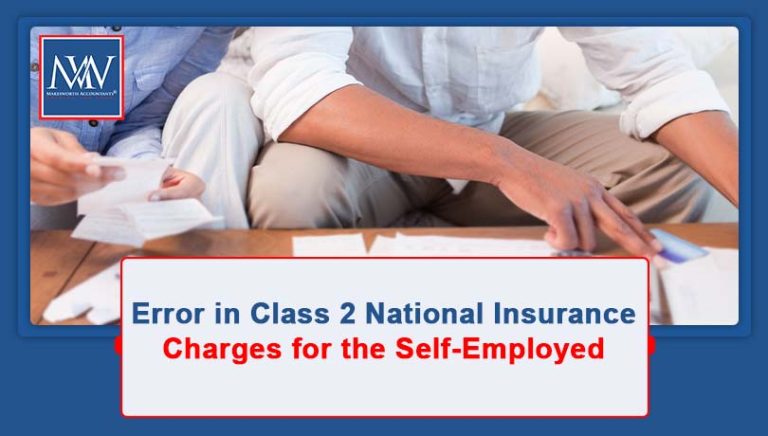
Class 2 National Insurance contributions are flat-rate contributions for 2023/24 and earlier tax years are payable by the self-employed where…
To qualify for a full state pension, you need 35 qualifying years. You can earn these through paying National Insurance…
Many people earn small amounts of money from self-employment, often as a side hustle. For example, this may be from…
Paying National Insurance contributions allows individuals to earn qualifying years, which in turn provides them with entitlement to the state…
Book a free initial consultation with Makesworth’s chartered accountants.
Book a consultation 020 7993 8850